The Dark Side of Every Zodiac Sign: Shadow Traits the Horoscopes Won't Tell You
One of the most persistent myths in astrology is that each zodiac sign has a set of positive traits that stand alone, shining in their purity. People are quick...
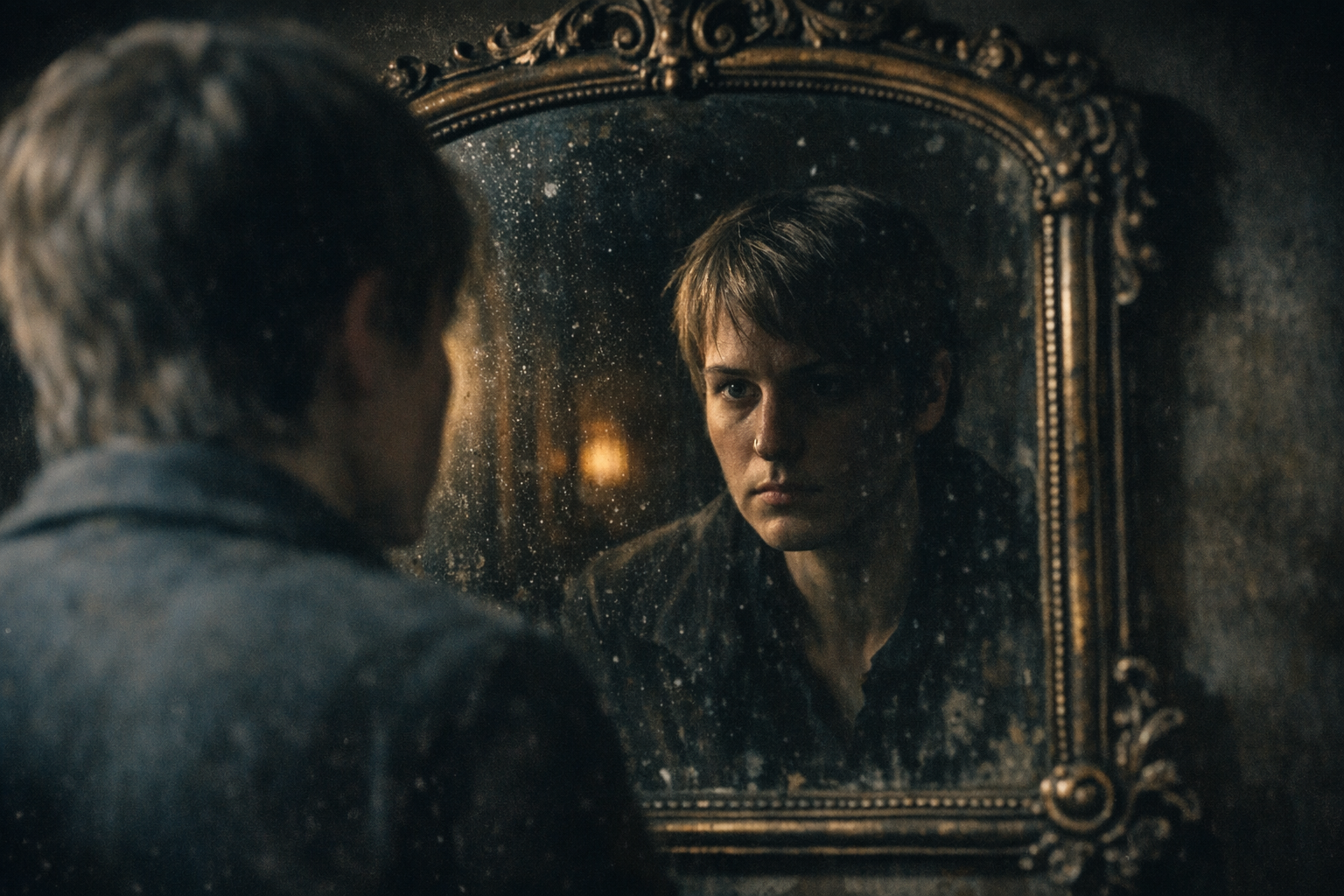
One of the most persistent myths in astrology is that each zodiac sign has a set of positive traits that stand alone, shining in their purity. People are quick to say that Aries is brave, Cancer is nurturing, and Libra is diplomatic. This myth hides a profound truth: every strength has a shadow. Without embracing these shadow traits, you risk being controlled by them, often unconsciously. I've seen this in my practice a hundred times: denying the darker side of your sun sign doesn't make it disappear; it makes it act out in ways you might not even recognize. Let’s delve into the shadow traits of each zodiac sign and explore how these hidden aspects are just as integral to your personality as the traits you proudly claim.
Understanding the Shadow: What Most People Get Wrong
Most people approach astrology looking for affirmation—something that tells them they are kind, smart, or loving. While it's comforting to focus on these positives, it can also be misleading. The shadow traits of a zodiac sign aren't simply its opposites or negatives. Jungian psychology teaches us that the shadow is part of the self that remains hidden, often because we refuse to acknowledge its existence. In astrology, this means recognizing that Leo's confident roar can morph into arrogance if unchecked, or that Scorpio's passion can turn into manipulation when not understood.
I've heard from hundreds of clients who believe the shadow is something to avoid or overcome entirely. The truth is far more nuanced. The shadow isn't a flaw; it's a part of your complete astrological makeup. For example, if you have Mars at 15° Capricorn in the 6th house, your disciplined approach to work can become rigidity if you're not careful. The key is awareness—not eradication. By embracing these hidden traits, you transform them from destructive forces into empowering ones.
Here's what nobody tells you: ignoring your shadow traits can lead them to manifest more potently and negatively. Think of Aquarius, often praised for its innovative thinking and humanitarian ideals. When the Aquarian shadow goes unnoticed, these strengths can warp into detachment and aloofness, making it difficult for them to connect with those they wish to help. By understanding these dynamics, you can harness both light and dark to create a well-rounded self.
The Astrological Chart Speaks: Degrees and Houses
Astrology is far more than sun signs; it's a complex tapestry woven from planets, degrees, and houses. Take Taurus, for instance. Known for their steadfastness and love for comfort, Tauruses are often seen as reliable rocks in stormy seas. But place Venus at 23° Taurus in the 2nd house, and you may find possessiveness lurking beneath the surface. This isn't just about material possessions—it extends into relationships and personal values as well.
Degrees add another layer to understanding these shadows. A Gemini sun at 29°, known as the anaretic degree, may push a person toward overthinking or scattered thoughts when stressed. This degree acts like a pressure point, intensifying Gemini's natural curiosity until it spins out into anxiety or restlessness unless channeled productively.
In my practice, I've seen how houses play a crucial role in manifesting these shadow traits. If your Moon sits at 17° Virgo in the 4th house, your need for order at home might become critical nitpicking when emotionally triggered. Recognizing how these elements interact within your chart helps reveal where these shadows might appear and how to work with them consciously.
Client Stories: Real Shadows in Real Lives
A client I worked with had an interesting chart—Mars at 12° Cancer in her 10th house—indicating potential conflict between her career ambitions and emotional needs. She initially came to me frustrated with her lack of progress at work despite her hard efforts. Her Mars was projected outward as passive-aggressiveness toward colleagues rather than harnessed as assertive energy.
Through our sessions, we explored how her Mars placement reflected her internal struggle between nurturing her career and managing her family responsibilities—a classic Cancerian dilemma amplified by its position in the 10th house. Once she embraced this shadow aspect as part of her leadership style rather than something to suppress, she found new ways to express ambition without losing emotional integrity.
Another client with Pluto at 8° Libra square Mercury could never understand why his communication always led to power struggles with friends and partners. This placement created an unconscious pattern of trying to control conversations without realizing it was driving people away. Awareness was the turning point—he learned to channel his intense need for truth into deeper dialogues rather than verbal dominance.
Applying Shadow Work in Daily Life
Embracing your astrological shadow doesn't mean living under its influence—it means integrating these traits so they enhance rather than sabotage your life. By understanding where these shadows lie within your chart, you can approach everyday situations with greater awareness and intention. For example, knowing that your Mercury at 11° Scorpio tends toward suspicion means you can consciously choose openness over guardedness in communication.
This insight isn't limited to personal growth; it extends into relationships and professional endeavors too. If you have Saturn at 25° Leo squaring Venus in Taurus, you might struggle between the desire for recognition and fear of inadequacy in love or creative pursuits. Understanding this dynamic allows you to approach opportunities with humility rather than hubris.
The Power of Projection: Shadows in Relationships
In relationships, shadow traits often surface through projection, a psychological defense mechanism where we attribute our own hidden qualities onto others. I've seen this dynamic play out countless times. Consider a client with Venus at 27° Virgo opposing Neptune. She found herself repeatedly accusing partners of being unreliable, only to realize she projected her own unacknowledged fears of commitment onto them. This realization transformed her interactions, allowing her to embrace vulnerability as a strength rather than a weakness. The dark side of zodiac elements can be a gift in disguise, revealing deeper layers of self-awareness and personal growth.
Another client experienced similar challenges with a Moon at 18° Aries square Saturn in Capricorn. This harsh aspect manifested as an internal conflict between her emotional impulsivity and a self-imposed sense of duty. Her shadow played out in relationships as impatience with partners who didn't meet her high expectations, hiding her fear of not being good enough. Through our sessions, she learned that acknowledging these shadow traits provided her with the freedom to communicate openly and set realistic boundaries in her relationships.
The relationship arena is fertile ground for exploring the zodiac's negative traits. Often, these shadows help us understand the recurring themes and patterns we face with others. Awareness is the first step to transcendence. By recognizing how your astrological makeup influences your interactions, you can transform conflicts into opportunities for deeper understanding and authentic connection.
Misconceptions Around Astrological Shadows
There's a common misconception that shadows in astrology are inherently negative or must be eradicated entirely. This view misses the point; shadows are neither good nor bad—they simply exist as facets of our being. Denying their presence can lead to unintended consequences, like recurring life challenges or emotional blocks. Acknowledging the dark side of the zodiac doesn't mean dwelling on negativity but rather bringing balance and harmony to one's life.
Another pitfall is using astrology as an excuse for bad behavior. It's unethical to blame one's zodiac shadow traits for actions that harm others, a trap I've seen people fall into when they treat astrology as deterministic rather than a tool for self-awareness. Understanding your chart's dynamics is about taking responsibility, not shirking it. The ethical approach involves engaging with your chart's energies constructively, using them for personal development rather than as crutches for self-justification.
Integrating Shadow Traits Into Everyday Life
Bringing awareness to your astrological shadow traits can be transformative, but it requires daily practice and mindfulness. Start by observing where these traits appear most frequently—be it in your communication style, decision-making, or emotional responses. For example, someone with Mercury at 20° Pisces may find themselves escaping into daydreams instead of facing challenges head-on. Recognizing this pattern allows them to deliberately ground themselves in reality when necessary.
Journaling is an effective method for tracking how shadow traits manifest over time. This simple practice encourages reflection and provides insight into unconscious behaviors influenced by astrological dynamics. By documenting experiences and emotions regularly, you can identify patterns and make conscious choices about how to respond differently in the future.
Ultimately, embracing your shadow traits astrology means seeing them as integral parts of your identity rather than isolated quirks to be hidden away. When you integrate both light and dark sides of your chart, you cultivate a richer understanding of yourself and greater resilience against life's inevitable challenges.
If you're curious about how shadow traits influence your life and relationships, Shymea's Reports feature offers personalized insights into these often-overlooked dimensions of your chart. By understanding where shadow tension lies within your astrological blueprint, you can navigate life's complexities with greater clarity and purpose.
Explore everything Shymea offers — your birth chart, daily transits, compatibility, and more.
Try Shymea Free