Gardening by the Moon: An Ancient Practice Backed by Astrological Timing
What is it about the Moon that captivates our imagination? Perhaps it's her ever-changing face, a celestial mirror reflecting the nuances of our own lives. For...
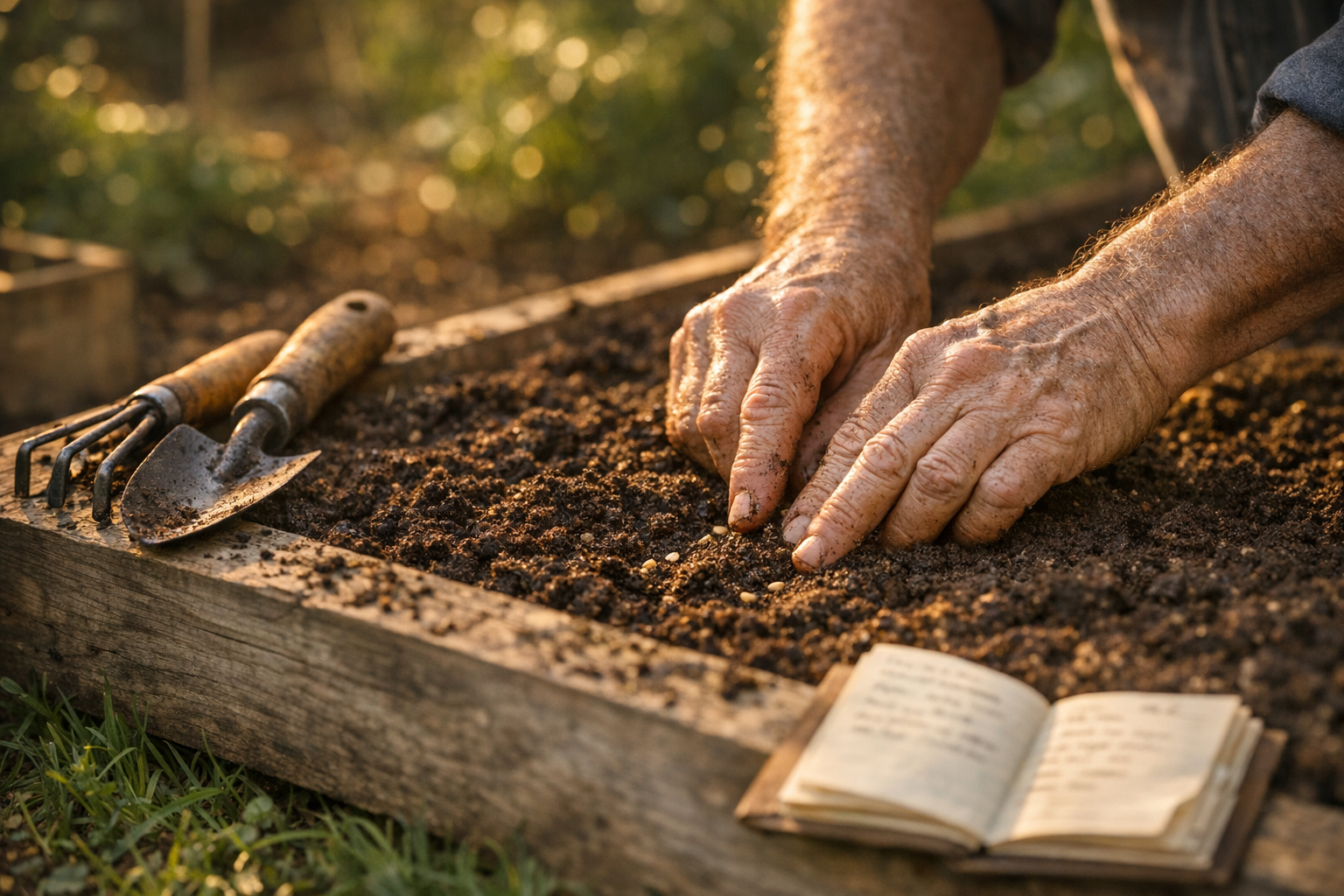
What is it about the Moon that captivates our imagination? Perhaps it's her ever-changing face, a celestial mirror reflecting the nuances of our own lives. For those of us who turn to the cosmos for guidance, moon phase gardening offers a harmonious blend of earthly toil and cosmic timing. By aligning our planting schedules with the Moon’s phases, we align ourselves with rhythms older than human civilization. Moon phase gardening, a practice rooted in both astrology and biodynamic planting, invites us to synchronize our earthly actions with celestial cycles. It's not just about when we plant, but about understanding how these cycles echo in our personal lives. The Moon, mistress of tides and emotions, can guide not only gardeners but anyone seeking balance and intention.
How Moon Phase Gardening Defies Modern Misunderstandings
It’s easy to dismiss moon phase gardening as mere superstition in our scientifically driven age. Yet, as any seasoned astrologer knows, the Moon's phases have profound implications beyond basic celestial mechanics. When we talk about gardening by the moon, we're not simply adhering to an old wives' tale. We are engaging with a practice that recognizes the nuanced energetic shifts each lunar phase brings. Modern narratives often oversimplify this ancient wisdom into a binary "waxing means planting" and "waning means harvesting" mantra. While these guidelines are foundational, they barely scratch the surface of lunar influence on our lives.
People often forget that the Moon governs more than just growth cycles; she influences water, emotion, intuition, and creativity. In biodynamic planting, a field deeply intertwined with astrology, these factors are considered crucial to cultivating not just plants but a deeper connection to nature itself. The misconception that moon phase gardening is merely about timing overlooks the spiritual and psychological alignment it fosters. The Moon doesn't just schedule our actions; she encourages us to reflect on our intentions and interactions with the world.
When explaining this to clients over the years, I emphasize how each lunar phase carries its own energy signature. The New Moon in Aries at 10° might inspire bold beginnings, while a Full Moon in Virgo at 18° urges us to scrutinize the details of our endeavors. This isn't just applicable to the garden but to life choices as well. Understanding these subtleties enriches both the tangible harvest of crops and the intangible harvest of personal growth.
Deciphering Lunar Phases: A Deeper Dive
The waxing and waning phases of the Moon are more than simple markers on a calendar; they are signals for us to engage differently with our environment. During the waxing phase, from New Moon to Full Moon, energy builds. This is when above-ground crops thrive—those with fruiting bodies like tomatoes or peppers. But this is not only about planting; it’s a time of initiation in any life endeavor. If your natal Moon resides in Taurus at 14°, for instance, you might find physical tasks unusually fulfilling during this time, mirroring Taurus's earthy commitment.
The waning phase, from Full Moon back to New Moon, suggests introspection and consolidation. Here is where root crops like carrots or potatoes take precedence—plants focused inwardly as their energy descends into the soil. In personal terms, if your natal Sun squares this waning Moon phase, perhaps at 22° Leo from the 5th house, you may experience tension between creative expression and emotional reflection—a duality that calls for balance.
The cycle of planting and harvesting under these lunar phases isn't just practical; it's symbolic of life's ebb and flow. It teaches resilience and adaptability—traits crucial in both gardening and personal development. When asked by clients how best to leverage these cycles for personal growth, I often suggest journaling intentions during each New Moon and reviewing them at each Full Moon—much like assessing crop growth through seasons.
The Elemental Wisdom of Planting Signs
The zodiac signs through which the Moon travels offer another layer of insight for gardeners and astrologers alike. Water signs—Cancer, Scorpio, Pisces—are traditionally known as fertile planting times in astrological lore due to their intuitive and nurturing qualities. These signs correspond beautifully with periods ideal for sowing seeds that require extra care or emotional investment. I’ve seen clients with natal Moons in Cancer at 5° find unique success when engaging in emotional labor during these times—a testament to astrology's integration with practical life.
Consider a scenario from my practice where a client had their natal Mars at 18° Pisces in trine with the transiting Moon in Scorpio during her garden planning season. Her intuitive sense for planting was heightened; she knew instinctively when conditions were right even without consulting her calendar—a classic manifestation of how water signs enhance both intuition and fertility.
These elemental correspondences don't just guide when we plant; they teach us how we relate to our environment emotionally. Engaging with this system cultivates an awareness that's both external and internal—a dance between cosmic patterns and personal rhythms that can transform routine tasks into sacred rituals.
Biodynamic Farming: Bridging Ancient Wisdom and Modern Practices
Biodynamic farming is more than organic agriculture; it’s an eco-spiritual philosophy that integrates cosmic rhythms into farming practices. Developed by Rudolf Steiner in the early 20th century, it combines astrology’s celestial focus with practical farming techniques—validating what ancient civilizations have practiced for millennia under different guises. In my years of practice, I’ve come across clients who found their way into astrology through biodynamics—they first recognized its merit in their gardens before realizing its potential for personal insight.
A particular client comes to mind: A farmer whose natal Saturn was positioned at 9° Virgo in his 4th house. His dedication to detail was mirrored in his meticulous approach to biodynamic methods—such as preparing compost according to specific planetary alignments—and he found profound satisfaction in knowing his earthly labors were part of a greater cosmic cycle.
This approach isn't limited to professional farmers; it's accessible to anyone willing to engage deeply with both land and sky. Biodynamic techniques invite us to consider factors like lunar perigee (the closest point of the Moon's orbit) or ascendant-descendant axis overlays on planting decisions—not just because they might improve yield but because they deepen our connection with nature's cycles.
Unveiling the Influence of Planetary Aspects in Moon Phase Gardening
Beyond the moon's phases and signs, the aspects between celestial bodies during lunar cycles add another layer of depth to gardening by the moon. Consider how a sextile between Venus at 15° Capricorn and Mars at 15° Pisces might manifest. This harmonious interaction fosters a balance of practicality and creativity, ideal for both aesthetic garden planning and executing practical tasks. A client with a natal chart mirroring this aspect found herself effortlessly blending artistry into her garden layouts, her plantings reflecting both structure and spontaneity.
The opposition between planets, often seen as challenging, can also offer profound insights. For example, when Jupiter in Sagittarius opposes the moon in Gemini during a Full Moon phase, there’s an opportunity to expand one’s understanding of diverse planting strategies—perhaps integrating new techniques or experimenting with companion planting. One client experienced this exact transit and used it to diversify her crop varieties, finding joy in the contrasts she previously avoided.
Conjunctions, where planets align closely, intensify energies. A potent conjunction of the moon with Uranus at 6° Taurus may inspire groundbreaking approaches to traditional gardening practices. I recall a client with this transit who innovatively utilized vertical gardening to maximize her urban garden space, proving that such celestial alignments can spark creativity and problem-solving in practical endeavors.
Debunking Myths and Understanding Ethical Implications
A common misconception is that lunar planting guides offer guaranteed success or yield improvements. In reality, moon phase gardening is less about assurance and more about alignment—both earthly and spiritual. Many come into this practice expecting miraculous results without considering the necessary labor and dedication involved. It's crucial to recognize that while astrology can guide timing and approach, it doesn't replace the need for horticultural knowledge or hard work.
Another pitfall is assuming that lunar planting is universally applicable regardless of geographical or climatic conditions. Biodynamic planting principles must be adapted to the specific environment—what works in one latitude might not suit another due to differences in soil type, weather patterns, or local ecosystems. Ethical gardening respects these variances, emphasizing adaptability over rigidity.
There’s also an ethical dimension concerning sustainability. While lunar cycles can enhance planting practices, they should encourage respect for natural resources rather than exploitation. Responsible gardeners use moon phase gardening as a tool for fostering ecological balance, not merely for increasing yield at nature's expense.
Applying Moon Phase Gardening: A Practical Guide
To start with moon phase gardening, begin by observing and recording your local moon phases alongside your gardening activities. A simple journal noting planting dates, weather conditions, and lunar positions can offer invaluable insight over time. It's through this personal record-keeping that patterns emerge—what thrived under a Waxing Crescent in Libra versus a Waning Gibbous in Capricorn.
Engage with lunar planting guides but customize them to suit your own needs and environment. If you're unsure where to start, focus on universally accepted practices like planting annuals during the waxing moon and perennials during the waning moon. Adjust these guidelines based on your own observations—perhaps your experience shows certain root vegetables do best planted during a Third Quarter Moon.
Consider leveraging technology to aid in this endeavor. Apps or online tools can track real-time lunar phases and planetary aspects, helping you plan your garden calendar with precision. Combine these digital aids with hands-on experimentation; let both the stars and soil guide your journey toward a harmonious gardening practice that respects both cosmic rhythms and earthly realities.
Gardening by the moon invites us to embrace both structure and spontaneity—a dance of order amidst chaos guided by celestial movements. If you're curious about how real-time transits might influence your gardening endeavors—or any area of life—Shymea's Cosmos feature offers comprehensive insights into daily planetary positions that could enhance your connection with the natural world.
Track these transits in real time with Shymea's Cosmos.
Try Shymea Free